Crea chatbot AI con tecnologia ChatGPT
00
Giorni
00
Minerali
00
Minuti
00
Sec
Usa «BF20" per l'aggiornamento del Black Friday con uno sconto del 20%
Ottieni un'offerta
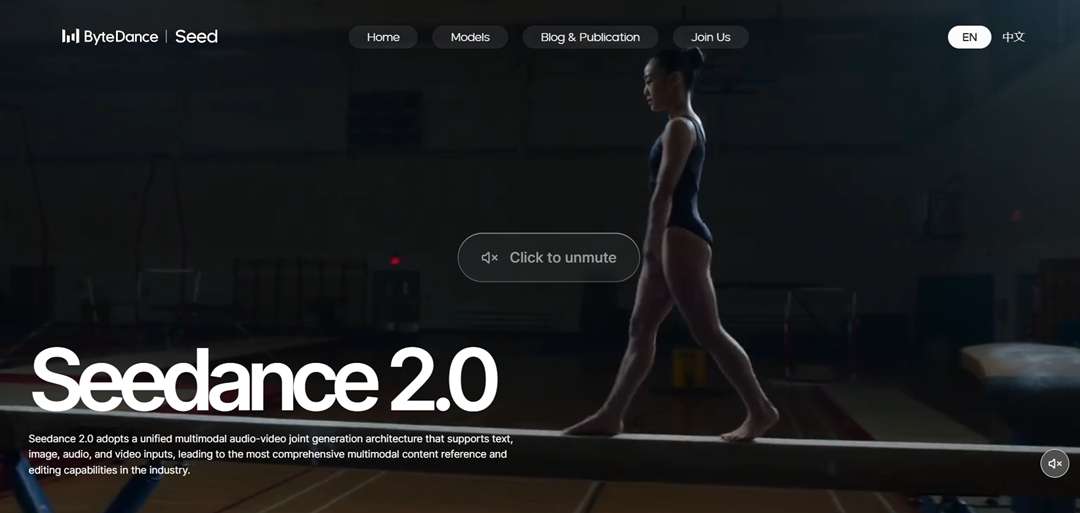
Seedance 2.0 feels like a meaningful step forward in how AI understands and creates video, not just at a technical level, but from a creative point of view. Instead of producing clips that look impressive at first glance but fall apart on closer inspection, it focuses on making videos feel natural, continuous, and believable. Motion is smoother, scenes hold together better over time, and characters don’t suddenly change shape or expression from one frame to the next. This alone makes a huge difference, especially for creators who care about storytelling rather than just flashy visuals. What really stands out about Seedance 2.0 is how well it responds to detailed prompts. You can describe a scene’s mood, camera movement, lighting, or emotional tone, and the output often reflects those details in a way that feels intentional rather than random. Human actions like walking, turning, or reacting feel more grounded, and interactions between people and objects look far more realistic than what earlier AI video models could deliver. This improved understanding of motion and space helps videos feel less “generated” and more like real footage.
Another important improvement is consistency. It does a better job of maintaining character identity and visual style across longer clips. This is especially valuable for narrative content, ads, or branded videos where continuity matters. Environments stay stable, proportions make sense, and movements follow more natural physical rules, which helps maintain immersion throughout the video. For creators, marketers, and teams working on fast-paced content, it can significantly reduce the gap between idea and execution. It allows rapid experimentation, concept testing, and visual storytelling without the cost and complexity of traditional production. Instead of replacing creativity, it supports it by removing technical friction and speeding up workflows. Overall, Seedance 2.0 represents a shift in AI video generation—from novelty to practical creative tool. It shows how AI is slowly learning the language of cinema, not just assembling frames but understanding flow, emotion, and intent. For anyone exploring the future of video creation,it is a strong signal of where things are headed.




.webp)